About Us
Project Introduction
The Strengthening Adaptative Capacities to Climate Change through Capacity Building for Small Scale Enterprises and Communities Dependent on Coastal Fisheries in The Gambia Project (herein called “GEF 6 Fisheries CCA Project”) is a three-year GEF financed project implemented by UNIDO and executed by Ministry of Fisheries and Water Resources / Department of Fisheries (MoFWR/DoF). The project seeks to increase adaptive capacities and climate change resilience of coastal fisheries and dependent populations by addressing the Gambian fisheries post-harvest sector. This is to be achieved by promoting adaptation-oriented innovation, encouraging investment, improving post harvest management practices, technologies and services to artisanal fisheries value chain.
This is the Inception Report (IR) and the 1st Progress Report of the project that provides detail on the project background and scope (including project objectives, scope and outcomes), project implementation arrangements, monitoring and evaluation plan.
Project Scope, Outcomes and Outputs
The GEF 6 Fisheries CCA Project addresses the barriers identified with various segments of the fisheries value chain, which if not adequately supported hamper the identification of relevant policy responses and climate-technology solutions. Through building the technical and managerial capacity of the MoFWR/DoF and working with fisheries communities to improve resource management, innovative business models and technologies will be promoted, with private sector investments mobilized to address the challenges of post-harvest losses and waste, food security outcomes and livelihoods diversification. Access to weather information will also be addressed as well as increasing awareness among the various actors about climate change and climate variability and their impact on coastal fisheries. Additionally, as highlighted on the main barriers, strategies that are gender specific in relevance to adaptation planning within the fisheries sector will also be addressed as part of the project-supported actions.
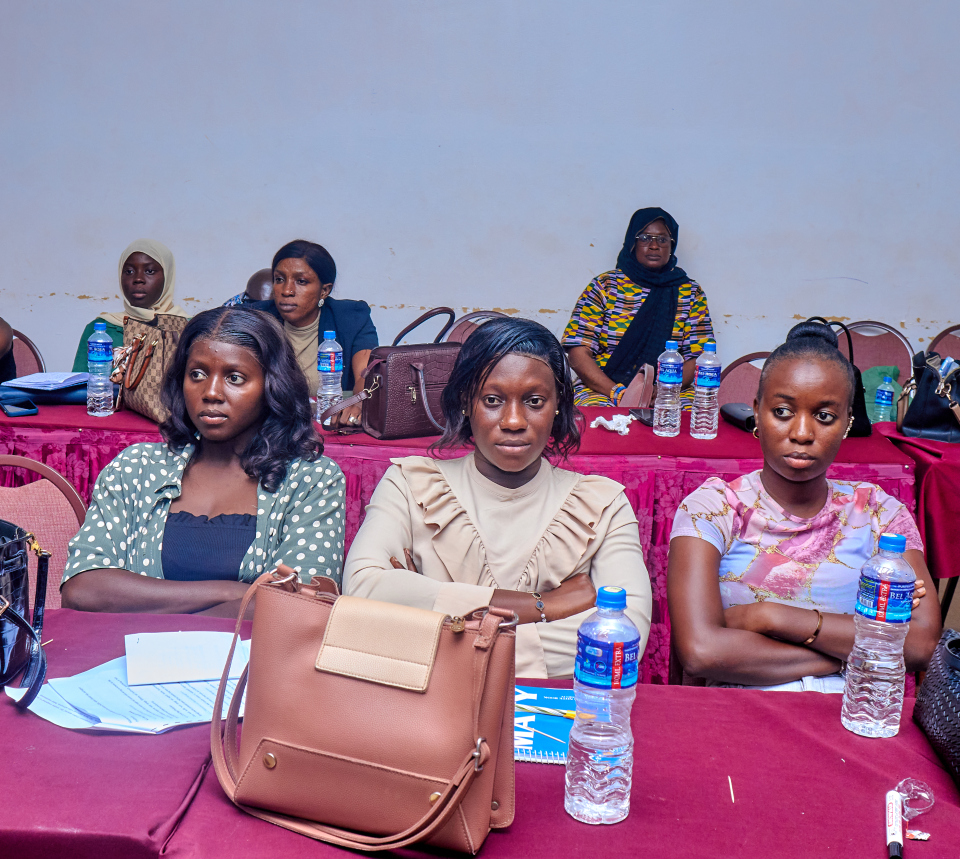
Project Objectives
The GEF 6 Fisheries CCA Project objective is to increase the adaptive capacities for The Gambia coastal fish processing value chains and promote climate resilient business models focusing on improved post-harvest fisheries food systems (including processing and waste mitigation) to vulnerable communities. This is to be delivered through the profiling and promotion of climate-resilient business models, developing enabling policy guidelines, innovative knowledge for instance on infrastructure proofing, and capacity strengthening for livelihood diversification, particularly targeting tech and financing for start-ups with vulnerable youth and women for enhanced community empowerment.
Project Background
Climate change is already impacting the fishery sector of The Gambia and its effects and severity is expected to get aggravated with the increase in temperature expected to happen in future years. With fish being one of main protein sources in The Gambia , impacts on its availability affects the food security of the country, especially the most vulnerable ones. The sector in itself, but specially the fish post-catch handling, storage and processing activities undertaken by artisanal fishing communities within the fishery sector, that are not adapted to climate change impacts.
They are the ones that are expected to be most affected by the impacts of climate change, as they are the most vulnerable and the ones with less adaptative capacity. Thus, there is a need to adapt the sector activities to the impacts already being felt and the ones that are expected to happen in the coming future. For that, it is important to adopt practices and technologies are more environmentally friendly and that have a reduced impact on the environment, including reduction of fish processing waste, contributing in this way to increase the sustainability of the sector and increase its resilience to climate change.
But of course, this can only happen if there is legal and regulatory framework that promotes/incentivises adaptation, especially for the artisanal fishing value chains, adaptation technologies and business models are made available and demonstrated, and of course, if information and knowledge on climate change and how one can adapt to it is shared amongst the coastal communities, enterprises and agents acting on the sector.
The GEF 6 Fisheries CCA Project addresses the barriers identified with various segments of the fisheries value chain, which if not adequately hamper the identification of relevant policy responses and climate-technology solutions. Studies on the value chain of small fishers are needed to address issues related to fluctuations in the total landings of the main small pelagic group. In addition to variation income of fishers that affects fisheries livelihoods and economies.
Through building the technical and managerial capacity of the MoFWR/DoF and working with fisheries communities to improve resource management, innovative business models and technologies will be promoted, with private sector investments mobilized to address challenges of post-harvest losses and waste, food security outcomes and livelihoods diversification. Access to weather information will also be addressed as well as increasing awareness among the various actors about climate change and climate variability and their impact on coastal fisheries. Additionally, as highlighted on the main barriers, strategies that are gender specific in relevance to adaptation planning within the fisheries sector will also be addressed as part of the project supported actions.
Our Team
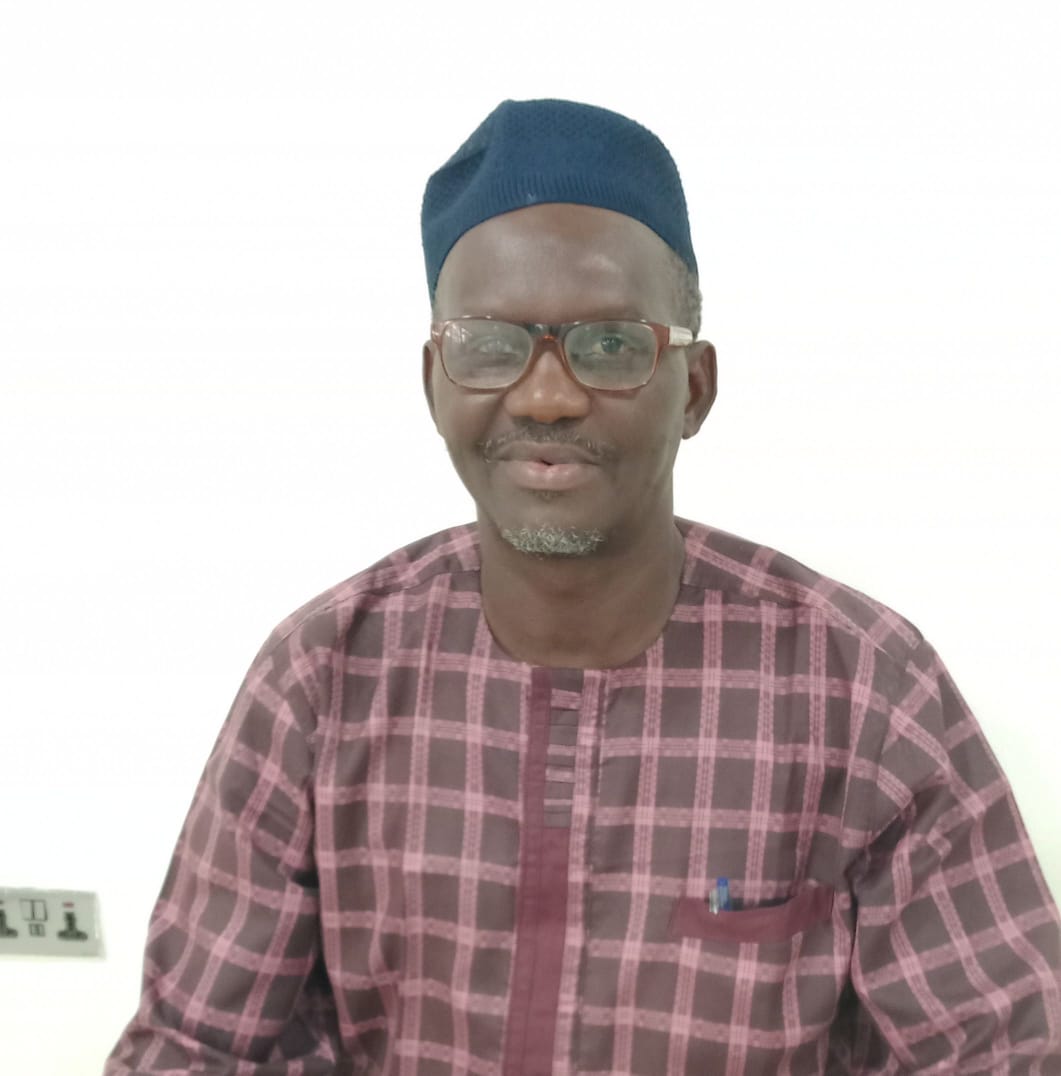
Mr. Babanding Kanyi
Project Coordinator UNIDO GEF 6
Email: kanyibababnding@gmail.com
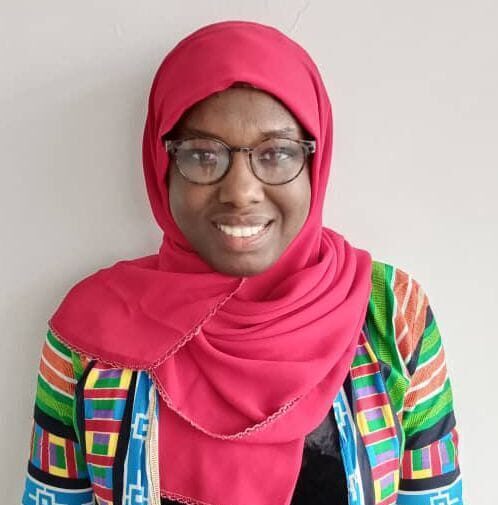
Ms. Bintou Jaiteh
Assistant Project Coordinator
Email: bintoujaiteh78@yahoo.com